Body Fat and Testosterone: Should You Lose Fat First?
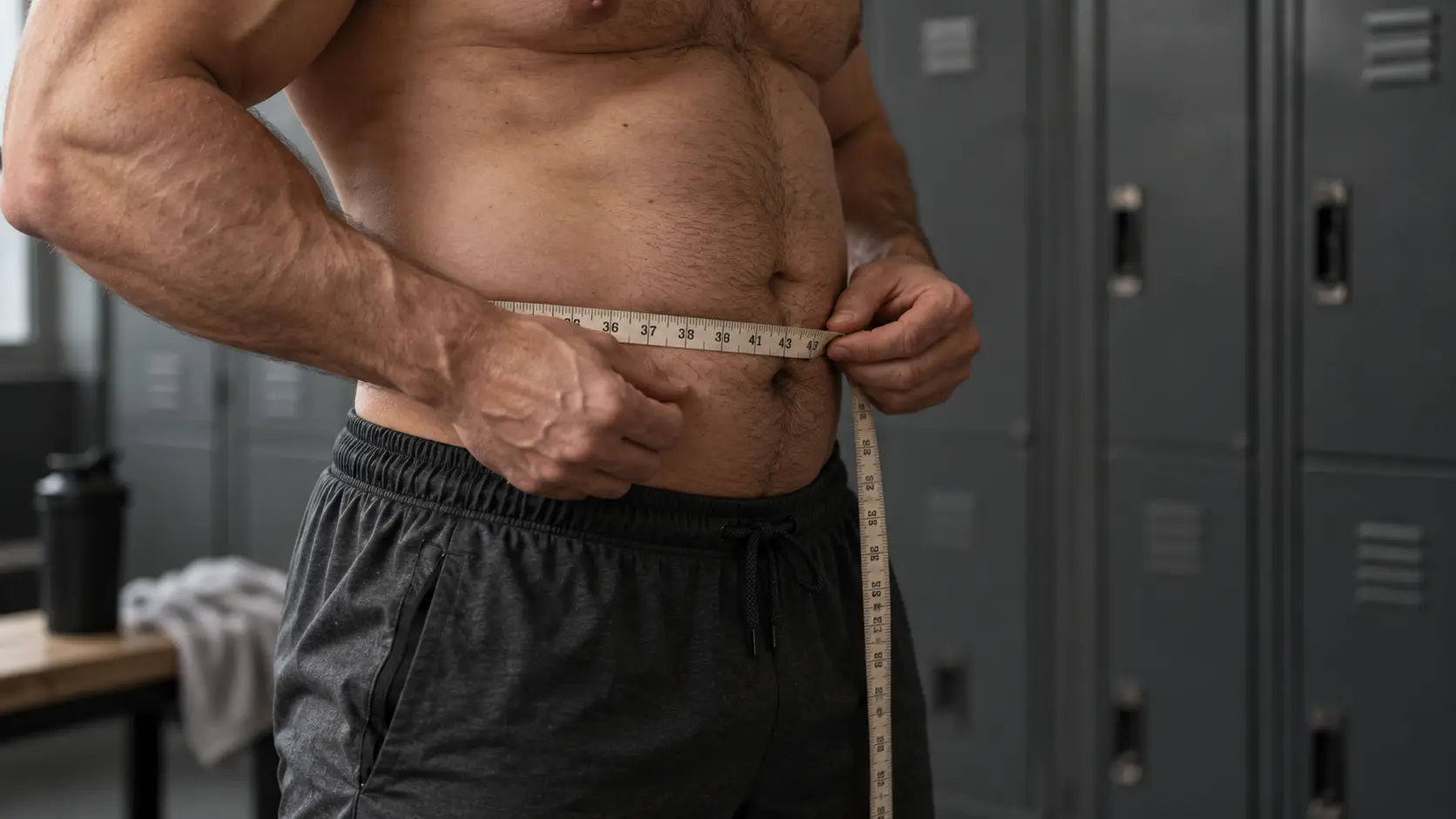
If you are considering testosterone while carrying substantial excess body fat, the practical question is whether adding muscle should come first or whether losing fat would put you in a better position.
Body fat and testosterone are connected through hormone production, hormone transport and the way the body handles glucose. For readers of Hilma Biocare Store, understanding those connections makes the question more useful than simply asking which body fat percentage is acceptable.
Should I lose fat before starting testosterone?
When excess body fat is substantial, reducing it is a sensible health priority. Obesity frequently comes with higher blood pressure, impaired glucose control and sleep problems. Those factors deserve attention alongside any discussion about testosterone.
Clinical guidance puts weight loss first when low testosterone is related to obesity. Some men see their own testosterone rise as weight comes down. Others have a separate cause of testosterone deficiency that needs assessment regardless of their weight.
A confirmed testosterone deficiency and a plan to use testosterone for bodybuilding are different situations. Body fat alone does not establish a need for treatment or determine when a cycle becomes safe.
Does more body fat mean more estrogen?
Fat tissue contains aromatase, an enzyme that converts testosterone into estradiol. That is the reason body fat comes up so often in discussions about estrogen during testosterone use.
The relationship is more complicated than a direct percentage calculation. A 2025 study found higher aromatase expression in fat tissue from men with obesity, but that expression did not track directly with estradiol measured in the blood. Tissue activity and a blood result describe different parts of the picture.
You cannot look at a waistline and know someone’s estradiol level. Testosterone exposure, individual physiology and medications also affect the result. Changes in libido, water retention and nipple sensitivity require context rather than an assumption that body fat explains everything.
Why is testosterone often lower when someone is overweight?
One reason is SHBG, a protein that carries testosterone in the blood. Obesity often lowers SHBG. With less of this carrier present, total testosterone can fall even when free testosterone remains within the reference range.
That distinction matters if you see a low result and immediately conclude that your body is not producing enough testosterone. Research from the European Male Ageing Study found that men whose total and free testosterone both declined were more likely to develop sexual symptoms than men with low total testosterone alone.
Measurement
What it tells you
Total testosterone
Includes testosterone attached to proteins and the small unbound fraction.
SHBG
A carrier protein that changes how total testosterone is interpreted.
Free testosterone
The unbound fraction, particularly relevant when SHBG is altered.
A diagnosis therefore depends on symptoms, repeated morning measurements and the circumstances around those results. A single low total testosterone value does not answer the whole question.
Can testosterone help with fat loss?
Testosterone treatment changes body composition in some men with low testosterone. In a randomised trial involving 100 men with obesity and low testosterone, treatment alongside a calorie restricted diet produced greater fat loss and better preservation of lean mass than the diet with placebo over 56 weeks.
That finding applies to the population and treatment studied. It does not establish testosterone as a general fat loss treatment for every overweight man, or show that bodybuilding doses produce the same balance of outcomes.
Research context
The men in that trial followed a structured dietary programme. Its results describe testosterone treatment combined with calorie restriction, not the effect of adding testosterone while leaving everything else unchanged.
Is there a body fat percentage that settles the question?
There is no validated body fat cutoff that makes nonmedical steroid use safe. Numbers shared in gym discussions do not replace an assessment of blood pressure, glucose control, sleep and existing symptoms.
Two men with the same estimated body fat percentage can have different waist measurements, blood results and medical histories. The estimate itself also depends on how it was measured. A visual guess, a home scale and a clinical body composition scan are not interchangeable.
If your estimate is around 30%, the useful question is broader than how much testosterone will convert into estrogen. It is whether excess fat is already affecting your metabolic health and whether there is a genuine hormone deficiency to investigate.
Look at the combination: waist size, blood pressure, glucose control, sleep and symptoms. A body fat number gives context; it does not make the decision by itself.
What should improve as excess fat comes down?
Track changes that tell you more than scale weight alone. A smaller waist, better blood pressure and improved glucose control are meaningful outcomes even before the mirror shows the physique you want.
In men who are not taking external testosterone, weight loss is often accompanied by increases in total testosterone and SHBG. The size of that change varies. Longitudinal research from the European Male Ageing Study linked weight loss with improvements in hormone measurements, but it cannot predict the exact response of one individual.
Persistent low libido, fatigue or repeatedly low testosterone still deserve a proper assessment. Losing fat gives you a clearer starting point, while follow-up measurements show what actually changed.
Research and references
Pasquali R et al. European Society of Endocrinology Clinical Practice Guideline: Endocrine work-up in obesity. European Journal of Endocrinology. 2020;182(1):G1–G32. DOI: 10.1530/EJE-19-0893.
Ahmed F et al. Altered Expression of Aromatase and Estrogen Receptors in Adipose Tissue From Men With Obesity or Type 2 Diabetes. Journal of Clinical Endocrinology & Metabolism. 2025;110(10):e3410–e3424. DOI: 10.1210/clinem/dgaf038.
Rastrelli G et al. Prospective EMAS study of total and free testosterone decline and symptomatic androgen deficiency in men with obesity. Clinical Endocrinology. 2018;89(4):459–469. DOI: 10.1111/cen.13756.
Bhasin S et al. Testosterone Therapy in Men With Hypogonadism: An Endocrine Society Clinical Practice Guideline. Journal of Clinical Endocrinology & Metabolism. 2018;103(5):1715–1744. DOI: 10.1210/jc.2018-00229.
Ng Tang Fui M et al. Effects of testosterone treatment on body fat and lean mass in obese men on a hypocaloric diet: a randomised controlled trial. BMC Medicine. 2016;14:153. DOI: 10.1186/s12916-016-0700-9.
Camacho EM et al. Longitudinal EMAS study of weight change, lifestyle factors and male reproductive hormone levels. European Journal of Endocrinology. 2013;168(3):445–455. DOI: 10.1530/EJE-12-0890.
Testosterone esters change how the hormone is delivered over time. Understand what that means for onset, label strength, blood levels and common bodybuilding claims.
Excess body fat affects hormone measurements and often accompanies changes in blood pressure, glucose control and sleep. Here is what those connections mean before testosterone use.
Changes in libido, fluid retention and nipple sensitivity raise different questions during testosterone use. Understand how estradiol, medication changes and blood results fit together.
Tablets and injections differ in administration and absorption. The compound itself explains further differences in liver effects, cholesterol, hormone suppression and physique changes.